Contents
You’re scrolling through Amazon looking at ML books. One has perfect five-star reviews but looks suspiciously like a Python tutorial with “machine learning” slapped on the cover. Another is clearly written by academics for academics — 700 pages of mathematical proofs with exactly three code examples. A third promises to teach you “deep learning in 24 hours” which is either a lie or involves some serious sleep deprivation.
I’ve bought approximately 40 ML books over the past six years. Most sit on my shelf gathering dust after the first chapter. About a dozen actually taught me something useful. And maybe five are books I still reference regularly and genuinely recommend to others. Let me save you from wasting money on overhyped garbage and point you toward the books that actually deliver.
How I Ranked These Books (Not Just Random Opinions)
Before we get to the rankings, here’s what I evaluated:
Code quality: Does the code actually work? Is it Python 3? Modern libraries? Practical vs. theoretical balance: Theory matters, but can you build something? Learning curve: Is it appropriate for the claimed audience level? Staying power: Is it still relevant or outdated after six months? Problem coverage: Breadth and depth of ML topics covered?
These rankings reflect what actually helped me and dozens of developers I’ve mentored. Your mileage may vary based on background, but this is honest assessment from real-world usage.
Tier 1: Essential Reading (Buy These)
These books are worth every penny and should be on every ML practitioner’s shelf:
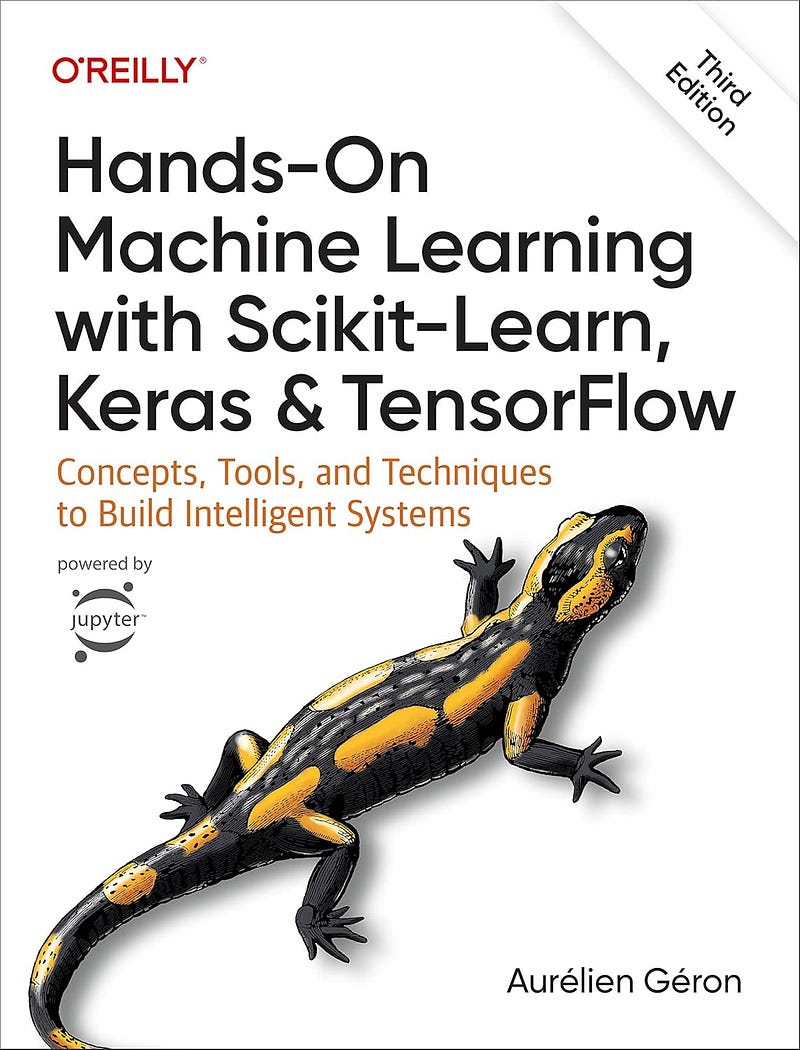
1. “Hands-On Machine Learning with Scikit-Learn, Keras, and TensorFlow” by Aurélien Géron
Price: ~$60 | Pages: 850 | Level: Beginner to Intermediate
Why it’s #1: This is the book for Python developers learning ML. Géron strikes the perfect balance between theory and practice. Every concept is explained clearly, then immediately implemented in working code.
👉👉See On Amazon : Click Here
What you actually learn:
- Complete ML pipeline from data to deployment
- Scikit-learn fundamentals (regression, classification, clustering)
- Deep learning with TensorFlow/Keras
- Real-world examples with actual datasets
- Practical techniques that work in production
The good:
- Best code examples in any ML book
- Jupyter notebooks for every chapter
- Updated regularly (3rd edition is current)
- Covers both classical ML and deep learning
- Actually teaches you to build things
The not-so-good:
- Heavy (850 pages is a commitment)
- Moves fast in later chapters
- Some math is hand-waved for practicality
I’ve recommended this book to probably 50 people. Every one who actually read it found a job in ML. That’s not causation, but it’s a pretty good indicator.
Buy if: You’re serious about learning ML with Python and want one comprehensive resource.
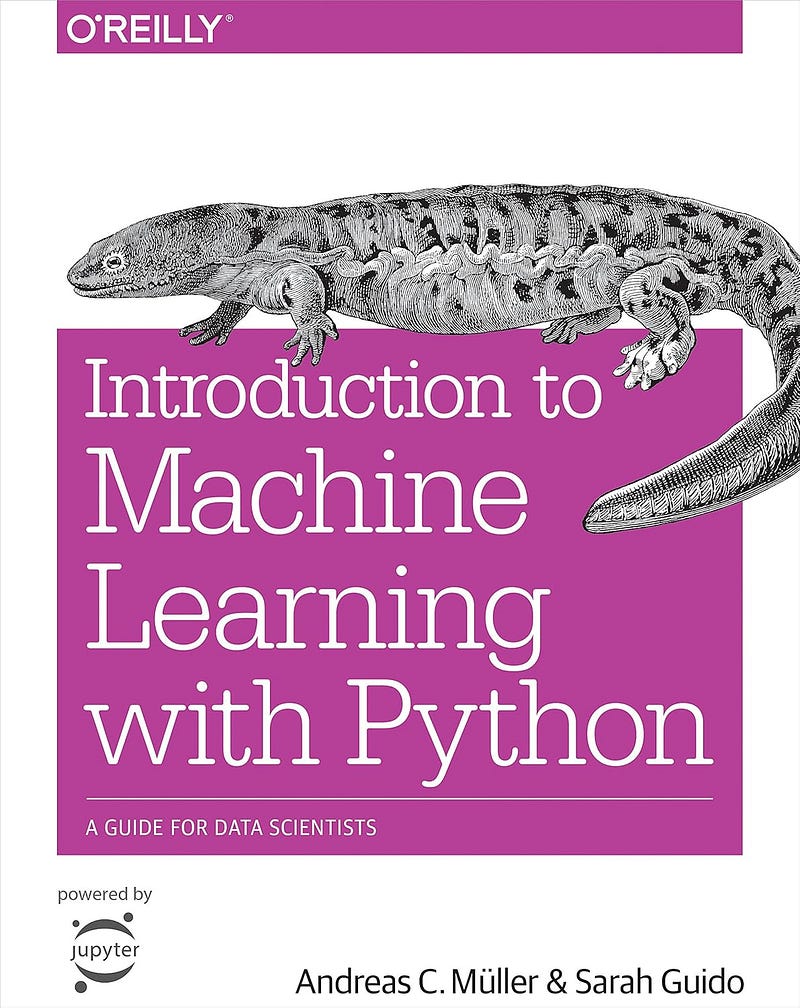
2. “Introduction to Machine Learning with Python” by Andreas Müller & Sarah Guido
Price: ~$50 | Pages: 400 | Level: Beginner
Why it’s essential: Written by the lead developer of Scikit-learn, this is the most beginner-friendly ML book that doesn’t sacrifice depth. Müller knows the library inside-out, and it shows.
👉👉See On Amazon : Click Here
What you actually learn:
- Scikit-learn from basics to advanced
- How to actually use ML algorithms correctly
- Model evaluation and selection
- Feature engineering and preprocessing
- Pipelines and workflow automation
The good:
- Perfect for absolute beginners
- Focus on practical application
- Clear explanations without excessive math
- Written by Scikit-learn core developer
- Code examples that actually run
The not-so-good:
- Doesn’t cover deep learning
- Not comprehensive for advanced topics
- Could use more theory for some topics
This is the book I wish existed when I started. Start here if you’re new to ML, then move to Géron’s book.
Buy if: You’re new to ML and want to learn Scikit-learn properly from the start.
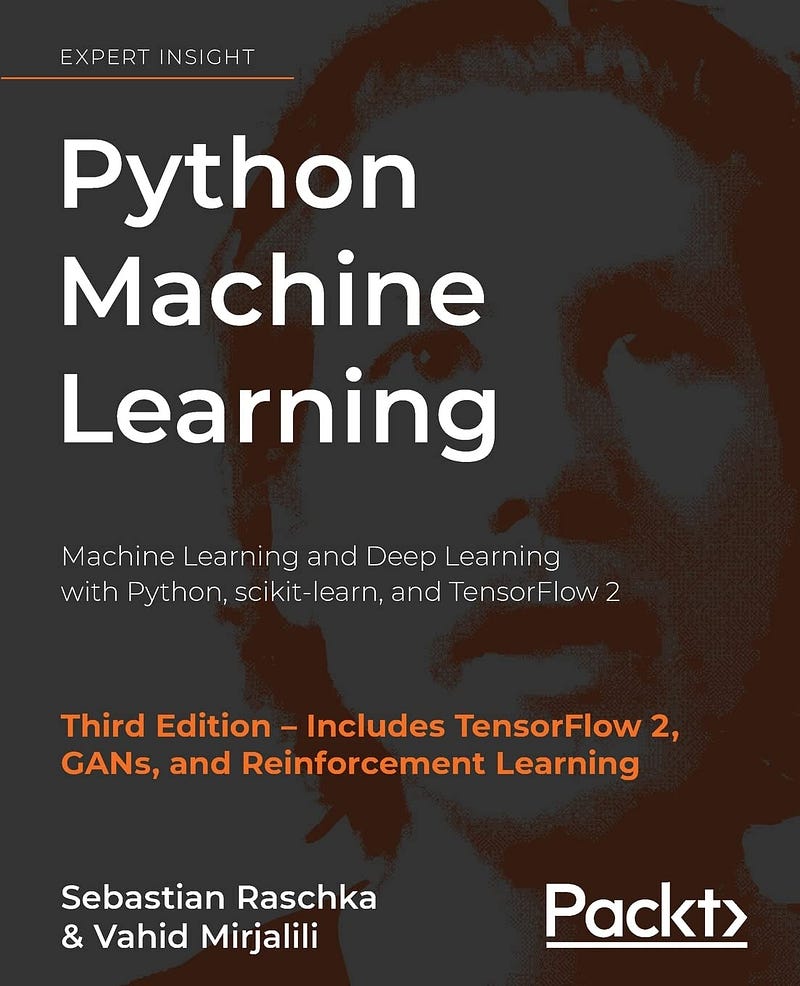
3. “Python Machine Learning” by Sebastian Raschka & Vahid Mirjalili
Price: ~$55 | Pages: 770 | Level: Intermediate
Why it’s tier 1: Raschka provides more mathematical depth than Géron while remaining practical. This is for developers who want to understand why algorithms work, not just how to use them.
👉👉See On Amazon : Click Here
What you actually learn:
- Mathematics behind ML algorithms
- Implementation from scratch and with libraries
- Deep learning fundamentals
- Model optimization and tuning
- Production deployment considerations
The good:
- Good balance of theory and practice
- Implementations from scratch build intuition
- Regular updates (3rd edition current)
- Comprehensive coverage
- Strong on neural networks
The not-so-good:
- Assumes stronger math background
- Can feel dense for beginners
- Less hand-holding than other books
IMO, this is the best “second book” after Müller’s introduction. It fills in the theory that beginners skip but need to understand.
Buy if: You’ve got ML basics down and want deeper understanding of how algorithms actually work.
Tier 2: Specialized Deep Dives (Buy Selectively)
These books excel in specific areas but aren’t essential for everyone:
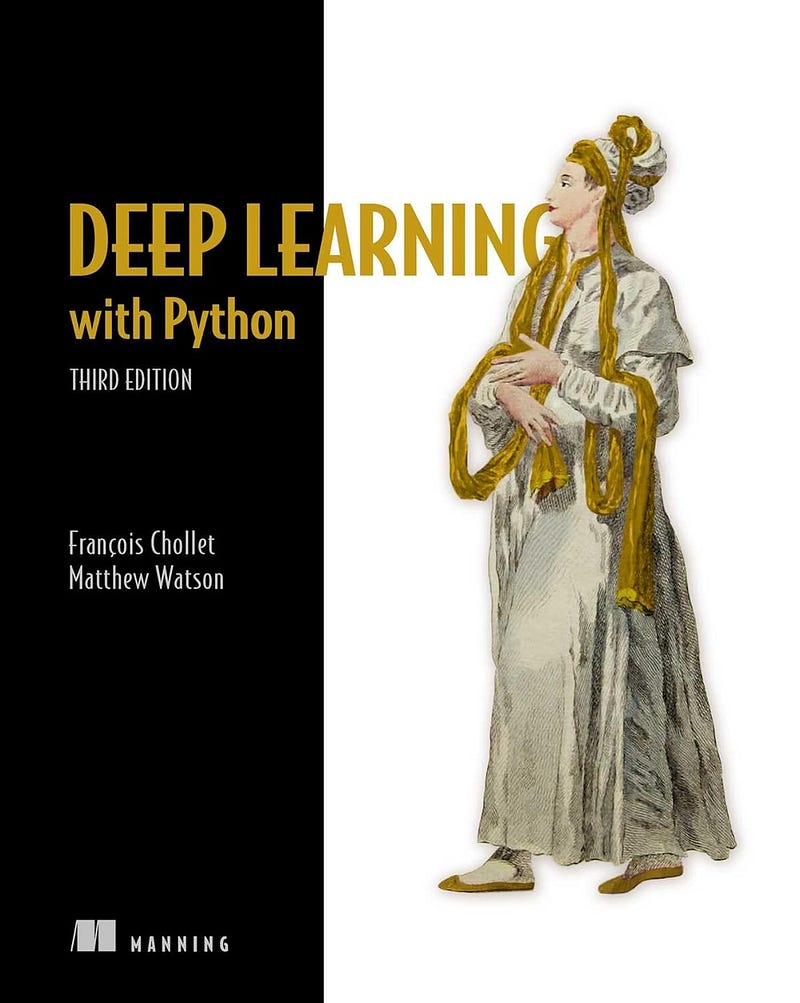
4. “Deep Learning with Python” by François Chollet
Price: ~$55 | Pages: 500 | Level: Intermediate
Why it’s valuable: Written by the creator of Keras, this is the definitive guide to deep learning in Python. Chollet explains complex concepts with unusual clarity.
👉👉See On Amazon : Click Here
What you actually learn:
- Deep learning fundamentals
- Keras/TensorFlow 2.0
- CNNs for computer vision
- RNNs and transformers for sequences
- Generative models
The good:
- Best deep learning book for practitioners
- Written by Keras creator
- Updated for TensorFlow 2.0
- Clear explanations of difficult concepts
- Excellent code examples
The not-so-good:
- Focuses only on deep learning
- Skips classical ML entirely
- Assumes ML fundamentals knowledge
- Some cutting-edge topics missing
If you’re specifically doing deep learning, buy this. For general ML education, it’s too narrow.
Buy if: You’re focused on neural networks, computer vision, or NLP with deep learning.
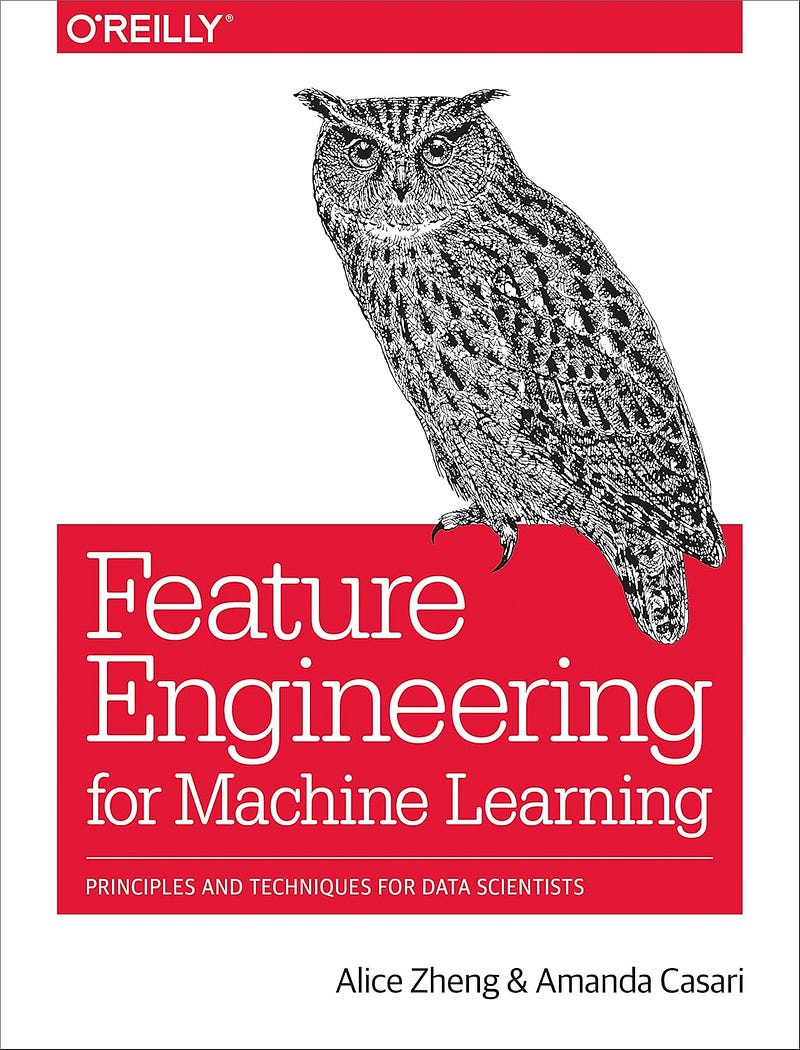
5. “Feature Engineering for Machine Learning” by Alice Zheng & Amanda Casari
Price: ~$50 | Pages: 220 | Level: Intermediate
Why it matters: Feature engineering is 80% of real-world ML work. This book finally gives it proper treatment.
👉👉See On Amazon : Click Here
What you actually learn:
- Feature extraction techniques
- Handling different data types
- Dimensionality reduction
- Feature selection methods
- Domain-specific features
The good:
- Focused on underserved but critical topic
- Practical techniques you’ll use immediately
- Real-world examples
- Concise and well-organized
The not-so-good:
- Narrow focus (that’s also its strength)
- Limited algorithm coverage
- Assumes basic ML knowledge
- Could use more advanced techniques
This book improved my model performance more than learning new algorithms ever did. Feature engineering is where the real work happens.
Buy if: You’re building real ML systems and want better features, not just better models.
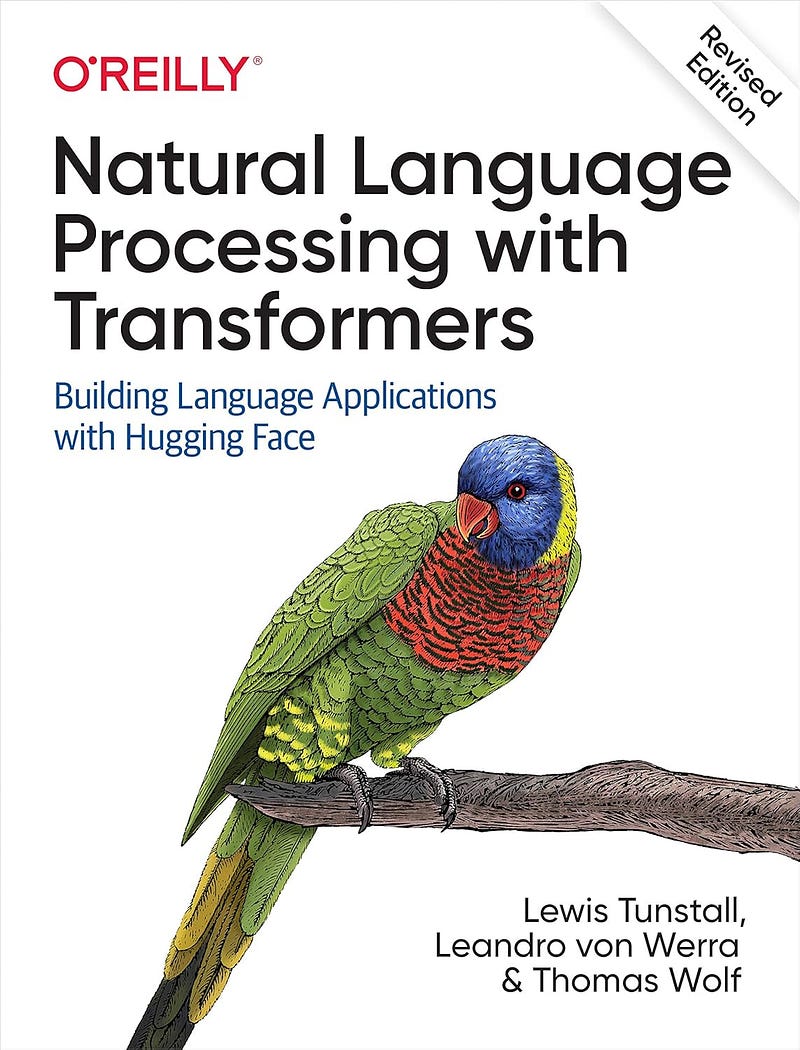
6. “Natural Language Processing with Transformers” by Lewis Tunstall, Leandro von Werra & Thomas Wolf
Price: ~$60 | Pages: 400 | Level: Intermediate to Advanced
Why it’s current: NLP changed completely with transformers. This book, from the Hugging Face team, is the definitive guide to modern NLP.
👉👉See On Amazon : Click Here
What you actually learn:
- Transformer architecture
- Hugging Face ecosystem
- Fine-tuning pretrained models
- BERT, GPT, T5, and more
- Production deployment
The good:
- Covers cutting-edge NLP
- Written by Hugging Face developers
- Practical transfer learning approaches
- Code for every concept
- Extremely relevant in 2026
The not-so-good:
- NLP-specific (useless for other domains)
- Moves quickly through basics
- Assumes deep learning knowledge
- Will need updates as field evolves
If you’re doing NLP in 2026, this is essential. For anything else, skip it.
Buy if: You’re working with text data and need to understand modern transformer-based NLP.
Tier 3: Good But Not Essential
These are solid books that might be worth it depending on your specific needs:
7. “Machine Learning Engineering” by Andriy Burkov
Price: ~$40 | Pages: 285 | Level: Intermediate to Advanced
👉👉See On Amazon : Click Here
Focuses on the engineering aspects — deploying, monitoring, and maintaining ML systems. Less about algorithms, more about production. Buy if you’re moving beyond notebooks into real systems.
8. “Interpretable Machine Learning” by Christoph Molnar
Price: Free online, ~$30 print | Pages: 320 | Level: Intermediate
👉👉See On Amazon : Click Here
Model interpretability and explainability. Important for regulated industries or when you need to explain predictions. Niche but valuable for specific use cases.
9. “Applied Machine Learning” by David Forsyth
Price: ~$75 | Pages: 400 | Level: Intermediate
👉👉See On Amazon : Click Here
Strong on computer vision and image processing. Good supplement for CV-specific work but overlaps with general ML books otherwise.
Tier 4: Skip These (Common But Overrated)
Books I see recommended constantly but don’t deliver:
“Machine Learning for Absolute Beginners” by Oliver Theobald
Why skip: Extremely shallow. You’ll outgrow it in a week. Waste of money when free resources cover the same ground better.
“Python Data Science Handbook” by Jake VanderPlas
Why skip: It’s free online — no need to buy. Also, it’s more general data science than ML-specific. Read it free, don’t pay for it.
“Deep Learning” by Ian Goodfellow, Yoshua Bengio & Aaron Courville
Why skip: This is for researchers, not practitioners. 700+ pages of math with minimal code. Buy the papers instead (they’re free). FYI, I tried to read this three times and gave up each time. It’s excellent theory if you’re doing a PhD, terrible for learning to build models.
The Books I Actually Reference Regularly
After the initial learning, here are the books still on my desk:
Daily use:
- Géron’s “Hands-On Machine Learning” (algorithm reference)
- Chollet’s “Deep Learning with Python” (neural network patterns)
Weekly use: 3. Zheng’s “Feature Engineering” (feature ideas) 4. Tunstall’s “NLP with Transformers” (language models)
Monthly use: 5. Raschka’s “Python Machine Learning” (theoretical depth)
Everything else lives on my shelf for that one time every six months when I need it.
How to Actually Use These Books
Books don’t teach you ML — practicing with books teaches you ML. Here’s how to use them effectively:
Don’t Read Cover to Cover
Bad approach: Read chapter 1, chapter 2, chapter 3… get bored by chapter 4, quit.
Good approach:
- Skim table of contents
- Read intro chapter
- Jump to topics you need immediately
- Go back for fundamentals later
- Use as reference, not novel
I’ve never read an ML book cover-to-cover. I skip to what I need, implement it, then circle back when I need more.
Code Every Example
Bad: Read the chapter, understand the concepts, move on.
Good:
- Type out every code example
- Run it yourself
- Modify it to understand what changes
- Break it intentionally to understand errors
The books I learned most from are the ones where I coded alongside reading. The ones I remember least are the ones I just read. :/
Build Projects Immediately
For each major topic:
- Read the chapter
- Find a related dataset (Kaggle, UCI ML Repository)
- Apply the technique to new data
- Document what worked and what didn’t
Theory without practice is useless. Practice without theory is gambling.
Money-Saving Strategies
ML books are expensive. Here’s how to be smart about it:
Library First
Check your local library’s digital collection. Many have O’Reilly subscriptions (gives you access to most of these books free). University libraries are even better.
Start with Free
- “Deep Learning” by Goodfellow et al. (free online)
- “Interpretable Machine Learning” by Molnar (free online)
- “Python Data Science Handbook” by VanderPlas (free online)
- Hundreds of free courses and tutorials
Only buy books after confirming free resources don’t meet your needs.
Buy Used
O’Reilly books hold up well physically. Used copies of 2nd editions often work fine even when 3rd editions exist. Algorithms don’t change that fast.
One at a Time
Don’t buy five books at once. Buy one, work through it, then decide what you need next. I’ve wasted hundreds on books I never read because I bought them aspirationally rather than intentionally.
The Harsh Truth About ML Books
Here’s what nobody tells you: books alone won’t make you a machine learning engineer. They’re tools, not magic. You also need:
- Actual coding practice (Kaggle competitions, personal projects)
- Mathematics fundamentals (linear algebra, calculus, statistics)
- Domain knowledge (understand your data and problem)
- Deployment experience (getting models into production)
- Failure and iteration (most models don’t work first try)
The best book in the world won’t help if you don’t write code and build things. Books give you knowledge. Projects give you skills.
My Recommended Learning Path
If I were starting ML from scratch today with Python knowledge:
Month 1–2: Müller’s “Intro to ML with Python” + Kaggle competitions Month 3–4: Géron’s “Hands-On ML” + personal project Month 5–6: Domain-specific book (Chollet for DL, Tunstall for NLP, etc.) Month 7+: Raschka’s “Python ML” + advanced projects
Total investment: ~$200 in books, 6 months of focused learning. That’s reasonable for career-relevant skills.
The Bottom Line
You don’t need 20 ML books. You need 2–3 excellent ones and the discipline to actually work through them. Start with Müller if you’re new, Géron if you’re intermediate, and Chollet or Tunstall if you’re specialized.
Buy books when:
- You need structured, comprehensive reference material
- You learn better from books than videos
- You want to deeply understand concepts
- You’re building a professional library
Skip books when:
- You haven’t finished your current book yet
- Free resources already cover what you need
- You won’t have time to actually use them
- You’re buying based on hype, not need
The best book is the one you’ll actually read and work through. Pick something appropriate for your level, commit to finishing it, and code alongside reading. Stop collecting books as if owning them transfers knowledge. It doesn’t.
Now close this article and go read (and code) one of these books. The knowledge is waiting, but you have to do the work to acquire it. Your future ML career is built on practice, not your bookshelf. :)